
UM6P strengthens research and innovation for the circular bio-based economy in arid regions
From November 17 to 21, 2025, University Mohammed VI Polytechnic hosted the Laâyoune Desert School (LDS 2025) at its Laâyoune campus, bringing together PhD students from across Morocco for an intensive program dedicated to advanced biomass biorefinery technologies.
Organized at the African Sustainable Agriculture Research Institute (ASARI), this doctoral school was designed for PhD candidates (Year 2 and above) and addressed one of the most pressing global challenges: developing sustainable, bio-based solutions in the context of climate change, resource scarcity, and environmental resilience.
Training the Next Generation of Scientists for the Green Transition
LDS 2025 focused on the concept of environmental biorefineries—integrated systems capable of transforming organic waste streams such as agricultural residues, algae, food waste, and sludge into high-value bioproducts, bioenergy, and biofertilizers.
Through a combination of scientific lectures, laboratory demonstrations, field visits, and design-thinking workshops, participants explored the full biomass valorization chain, including:
- Chemical, thermochemical, and enzymatic biomass conversion,
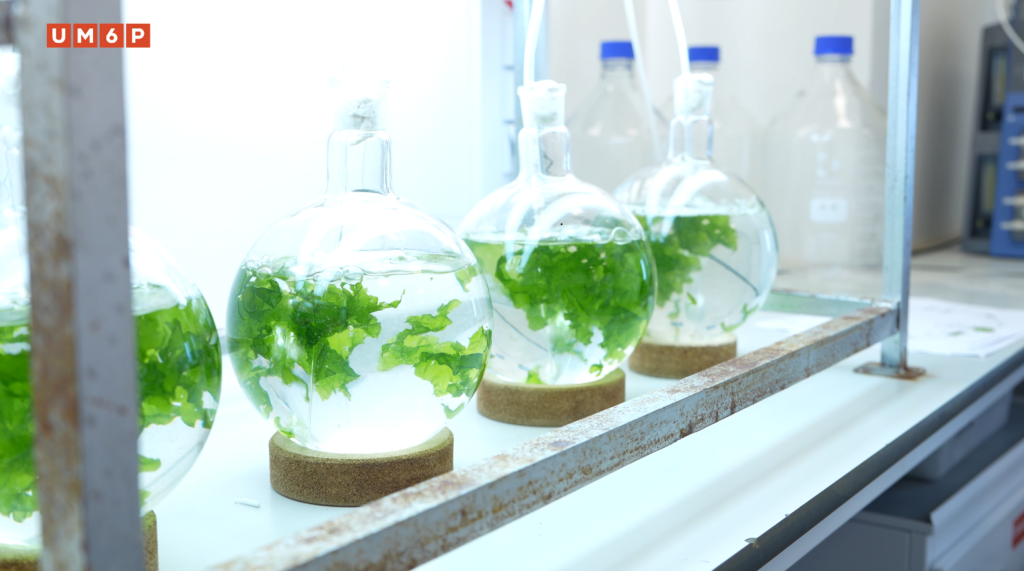
- Micro- and macroalgae cultivation and transformation,
- Wastewater treatment, composting, and anaerobic digestion,
- Bioactive compound extraction, smart packaging, and molecular approaches for agri-food systems.
This hands-on, interdisciplinary approach reflects UM6P’s commitment to learning by doing and to preparing researchers capable of translating science into tangible solutions.
Connecting Science, Innovation, and Regional Challenges
A distinctive feature of the Laâyoune Desert School is its strong territorial anchoring. The program addressed challenges specific to arid and semi-arid regions, including water scarcity, desertification, waste management, and sustainable agriculture in Southern Morocco.
Participants also engaged in sessions on techno-economic assessment, entrepreneurship, intellectual property, and technology transfer, highlighting the link between research, innovation, and impact. By fostering collaboration among PhD students from ten national universities, LDS 2025 encouraged cross-disciplinary dialogue and long-term scientific networking.
Reinforcing UM6P’s Role in Sustainable Innovation
Through LDS 2025, UM6P reaffirmed its role as a hub for advanced doctoral training, sustainability science, and circular economy innovation. The program illustrates how research, education, and regional development can converge to support green value chains and future-oriented skills.
By empowering young researchers to design solutions adapted to real-world contexts, the Laâyoune Desert School contributes to UM6P’s broader mission: advancing science-driven innovation in service of sustainable development in Africa and beyond.
Discover the highlights of the Laâyoune Desert School 2025 through this video here.
Leave a Reply