
A joint program empowering local talent, strengthening capabilities, and shaping a sustainable regional development model
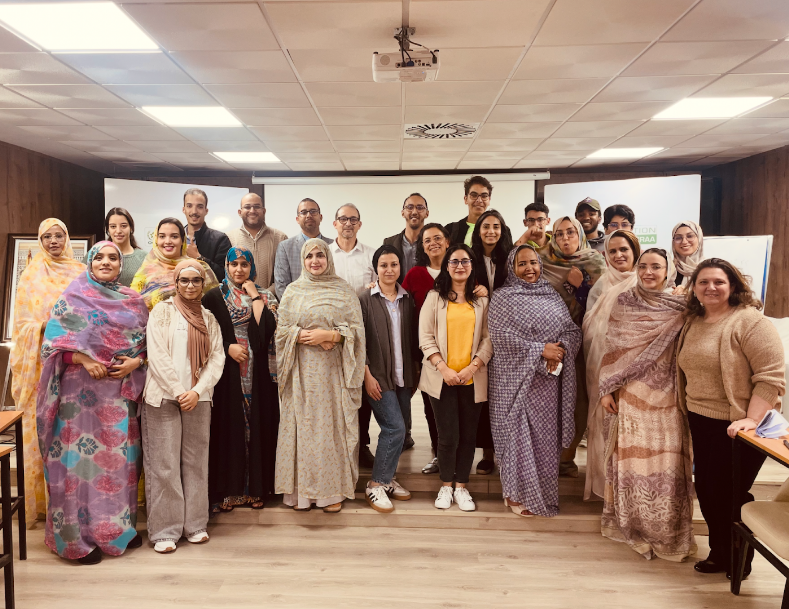
For over a year, UM6P’s Africa Business School (ABS) and the Fondation Phosboucraa have been co-developing an ambitious and innovative entrepreneurial support program designed to empower communities across Southern Morocco. This initiative combines capacity building, personalized coaching, and methodological rigor to support more than 700 beneficiaries by the end of 2026, contributing to a long-term vision of inclusive and sustainable territorial development.
Led and financed by the Fondation Phosboucraa as part of its mission to promote human capital development and innovative entrepreneurship, the program benefits from the academic and methodological expertise of ABS, under the leadership of Professor Nada Rih, ensuring robust educational engineering and operational deployment. Fondation Phosboucraa oversees program coordination, close monitoring, and local anchoring — essential elements for relevance, ownership, and long-term impact.
A Program Designed With and for the Local Ecosystem
The partnership was built on a shared commitment: designing a program deeply aligned with local realities. The first phase focused on training facilitators from the local ecosystem, preparing them to deliver high-quality entrepreneurial support.
A tailored program was then designed to reflect on-the-ground needs. The current phase involves testing, refining, and structuring the model through two pilot cohorts:
- NEET youth,
- Women entrepreneurs with practical field expertise.
This phase also establishes the foundations for large-scale deployment across the region.
A central pillar of the initiative is the training of local trainers, supported through individualized, on-the-ground coaching. This ensures the development of a capable, autonomous ecosystem that can sustainably deliver future cohorts.
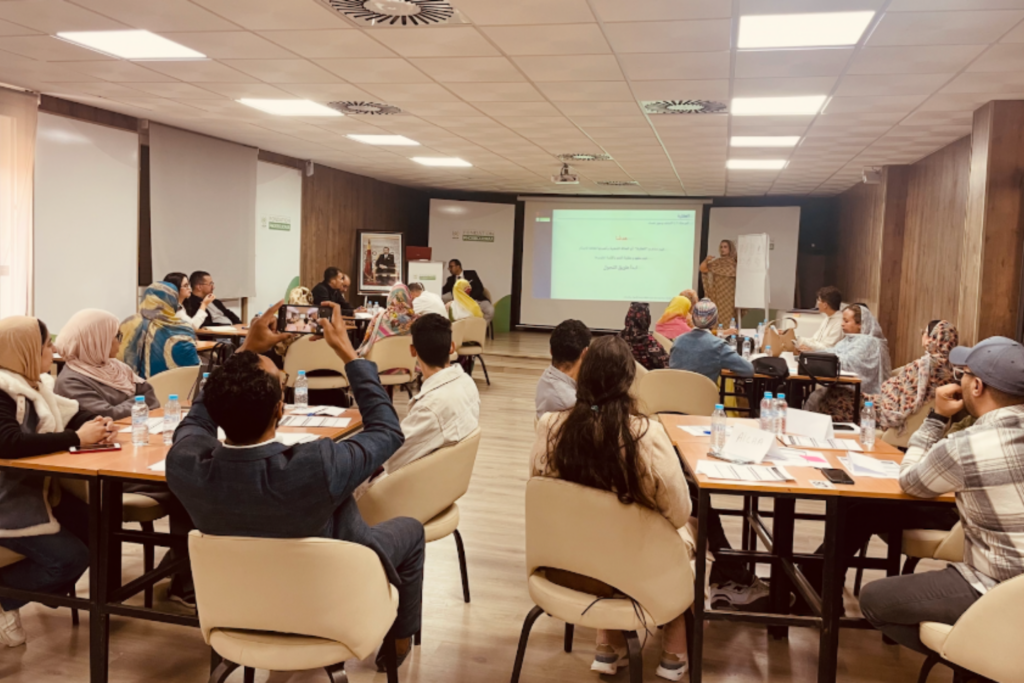
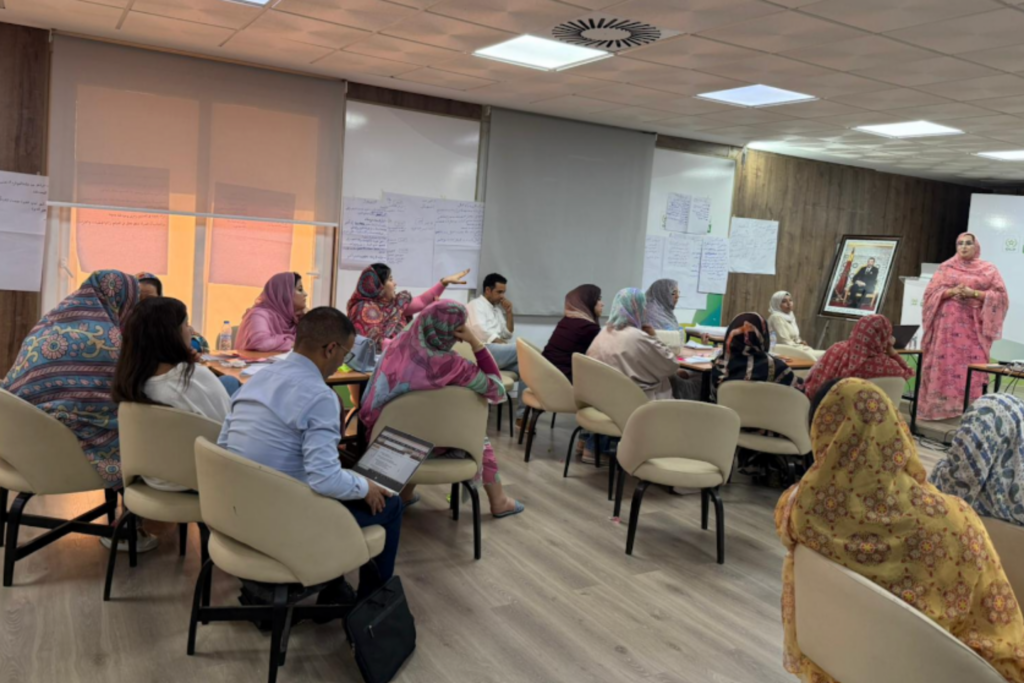
A Methodological Framework Rooted in International Standards
The program leverages the EntreComp and EMP frameworks—two internationally recognized references for entrepreneurship education. The curriculum follows a structured sequence:
- Initial diagnostic to assess individual needs and potential
- Entrepreneurial mindset development
- Project structuring and concept refinement
- Personalized mentorship and follow-up
A robust, individualized monitoring and evaluation system tracks progress, adjusts content in real time, and measures the program’s real-world effects — making evaluation a true lever of impact, not merely an administrative tool.
Early Results: Skills Growth, Confidence, and Community Impact
Mid-term evaluation results reveal strong improvements among participants in:
- Idea development and value creation
- Collaboration and teamwork
- Ability to mobilize others
- Creativity, vision, motivation, and self-confidence
These outcomes reflect an active learning approach, close support mechanisms, and an environment of trust — all essential to fostering an entrepreneurial mindset.
The program has also had a transformational impact on the community of trainers, who experienced significant skill development. Field immersion, combined with individualized coaching, strengthened their pedagogical practices, increased adaptability, and empowered them to deploy innovative methods independently in the future.
Looking Ahead: Scaling the Model
The initiative is currently in its final phase of accompanying the second cohort, ahead of its November 2025 Demo Day, where selected participants from both cohorts will present their projects before a jury of partners, experts, and key stakeholders in the regional entrepreneurial ecosystem.
This program embodies a shared ambition for accessible, inclusive, and locally grounded entrepreneurship, driven by ABS’s methodological rigor and strategic vision. Supported by a strong collaboration with Fondation Phosboucraa, it lays the foundations for a scalable and sustainable entrepreneurial support model, poised to inspire additional initiatives across the University Mohammed VI Polytechnic ecosystem — and beyond.
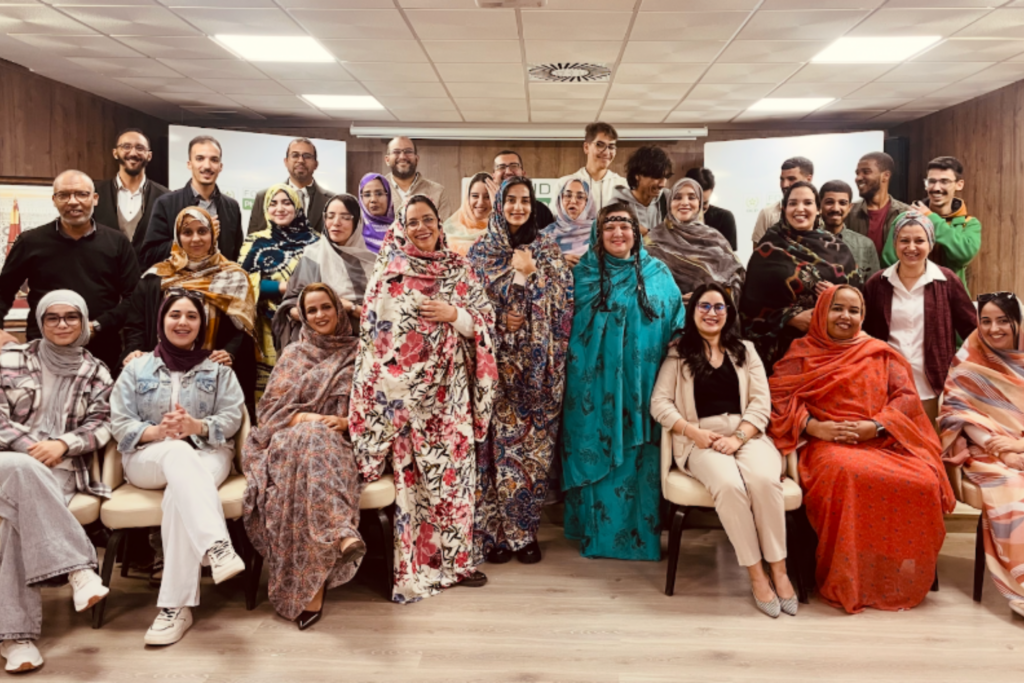
Project Contributors
The program benefited from the involvement of several contributors during its development and execution phases:
Project Design & Launch:
Meryem Serji
David Hayes
Prof. Nada Rih
Sanae El Ouali
Delivery – Part 1:
Prof. Nada Rih
Zeinab Hmama
Sanae El Ouali
Delivery – Subsequent Phases:
Prof. Nada Rih
Zeinab Hmama
Layina Ouadghiri
Leave a Reply